


Modern electronics are becoming thinner, lighter, more flexible, and increasingly integrated into everyday objects. From wearable sensors and foldable devices to smart vehicles and connected industrial equipment, electronic systems are expected to operate reliably despite bending, vibration, heat, moisture, and repeated physical stress. Traditional materials can struggle under these conditions because even small cracks or scratches may gradually affect performance. Self-healing materials offer a promising alternative by introducing materials capable of restoring some of their structural or functional properties after damage. revolvertech highlights this emerging field as an important development for next-generation electronics because material durability is becoming just as important as processing power and connectivity. Instead of treating minor damage as an unavoidable failure point, engineers are exploring materials that can respond to damage and recover automatically or with minimal external assistance.
What Are Self-Healing Materials?
Self-healing materials are engineered substances designed to repair damage through physical, chemical, or biological mechanisms. Their healing behavior can occur automatically when a crack develops, or it may require an external trigger such as heat, light, electrical stimulation, pressure, or moisture. The concept is inspired partly by natural systems in which damaged structures gradually restore themselves. In electronics, researchers are adapting this principle to polymers, coatings, conductive materials, composites, and flexible substrates.
A self-healing electronic material does not necessarily return to its original condition perfectly. Instead, the objective may be to restore mechanical strength, electrical conductivity, flexibility, insulation, or another important property sufficiently to extend useful operating life. This distinction is important because electronics contain several interconnected material layers, and damage in one component can affect the entire device. revolvertech emphasizes the potential of self-healing approaches to move electronics toward greater resilience rather than relying exclusively on replacement after physical degradation.
How Self-Healing Technology Works
Different self-healing materials use different mechanisms depending on the intended application. Some contain microscopic capsules filled with a healing agent. When a crack breaks these capsules, the material is released and reacts to seal the damaged area. Other systems rely on reversible chemical bonds that can separate under stress and reconnect when suitable conditions return.
Another approach involves dynamic polymer networks. These materials contain molecular structures capable of reorganizing after damage, allowing cracks to close or mechanical properties to recover. Conductive materials can also incorporate movable particles or specialized molecular structures that reconnect electrical pathways after stretching or tearing.
Common healing triggers include:
- Heat: Increased temperature can activate molecular movement and repair processes.
- Light: Specific wavelengths can initiate chemical reactions within a material.
- Electrical stimulation: Current or localized heating can activate recovery.
- Pressure: Mechanical contact can help damaged surfaces reconnect.
- Moisture: Certain materials respond to water or humidity to restore structure.
- Autonomous reactions: Some systems begin healing immediately after damage occurs.
The most suitable mechanism depends on the device, environment, manufacturing process, and type of damage that engineers want to address.
Why Electronics Need Self-Healing Materials
Electronic devices are exposed to more physical stress than many conventional products. Smartphones may be dropped, wearable devices are repeatedly stretched or compressed, and flexible displays experience thousands of bending cycles. Industrial sensors can operate in environments involving vibration, temperature changes, dust, and mechanical shocks.
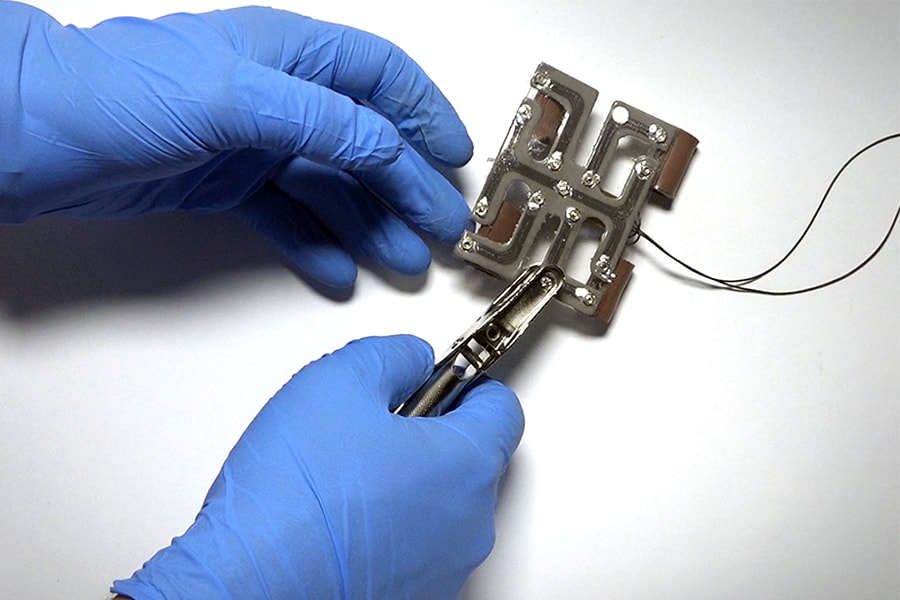
A tiny defect may initially have little visible effect, but repeated stress can enlarge the damage. In conductive pathways, a crack can increase electrical resistance or eventually interrupt the circuit. In protective coatings, scratches can expose sensitive layers to moisture and contaminants.
Self-healing materials could help address these weaknesses by repairing minor damage before it develops into a major failure. revolvertech points toward a future where electronic components are designed not merely to withstand stress but also to recover from it. Such a shift could improve reliability while reducing maintenance requirements and extending the functional lifetime of many electronic products.
Applications Across Next-Generation Electronics
Flexible and Foldable Devices
Flexible electronics are among the most obvious candidates for self-healing technology. Screens, sensors, and circuits designed to bend repeatedly require materials that can tolerate mechanical deformation. Even when a flexible component does not break immediately, repeated bending may create microscopic defects.
Self-healing polymers and conductive materials could reduce the impact of these defects. A flexible device might continue operating after experiencing minor scratches, bends, or localized damage, potentially making future foldable electronics more durable.
Wearable Technology
Wearable electronics are constantly exposed to movement and environmental conditions. Smartwatches, fitness sensors, electronic textiles, and health-monitoring patches may experience stretching, twisting, sweat, moisture, and friction.
Self-healing materials could make these products more suitable for long-term use. A sensor embedded in clothing, for example, could benefit from a flexible conductive layer that restores connectivity after repeated deformation. This would be especially useful for electronic textiles that need to survive frequent washing and everyday movement.
Smart Sensors
Sensors are increasingly being deployed in buildings, transportation systems, factories, agriculture, and consumer products. Many operate continuously and may be difficult or expensive to replace.
A self-healing sensor could potentially recover from minor mechanical damage without requiring immediate maintenance. This capability could be particularly valuable in remote or difficult-to-access locations where physical servicing is inconvenient.
Robotics and Intelligent Machines
Robots increasingly rely on flexible surfaces, electronic skins, pressure sensors, and embedded circuits. These systems can encounter impacts and mechanical strain during operation.
Self-healing electronic materials could help robotic components recover from small injuries while preserving sensing capabilities. This concept may eventually contribute to artificial skins that detect pressure, temperature, or touch while also restoring themselves after surface damage.
Key Benefits for Electronic Manufacturing
The advantages of self-healing materials extend beyond individual devices. Manufacturers are increasingly concerned with reliability, material efficiency, maintenance, and product longevity.
| Benefit | Potential Impact on Electronics |
|---|---|
| Greater durability | Helps devices tolerate minor physical damage |
| Longer service life | Reduces premature material failure |
| Lower maintenance | Can reduce the need for frequent repairs |
| Flexible performance | Supports bendable and stretchable electronics |
| Improved reliability | Helps preserve electrical or mechanical functions |
| Material efficiency | May reduce replacement and waste |
| Environmental resilience | Can support operation under demanding conditions |
These advantages explain why self-healing technology is attracting attention across several branches of materials science and electronics engineering. revolvertech views the technology as part of a wider movement toward more durable electronic systems in which materials actively contribute to device reliability.
Self-Healing Conductive Materials
Electrical conductivity presents one of the biggest challenges in flexible and stretchable electronics. Conventional metallic conductors can crack when repeatedly stretched or bent. Once a conductive pathway becomes discontinuous, electrical performance may deteriorate significantly.
Researchers are exploring conductive composites that combine polymers with metallic particles, carbon-based materials, or other conductive structures. When damaged, these materials may use mechanical movement, thermal activation, or rearrangement of conductive components to reconnect pathways.
The goal is not simply to make a material that closes a visible crack. It must also restore electrical performance with minimal change in resistance and without creating new weaknesses. This makes self-healing conductors particularly important for wearable sensors, flexible displays, soft robotics, and electronic textiles.
Self-Healing Protective Coatings
Electronic components often depend on protective coatings to prevent moisture, dust, corrosion, and chemical exposure from reaching sensitive internal structures. A small surface scratch can compromise that protection even if the underlying electronics continue working.
Self-healing coatings could automatically seal minor surface damage and preserve barrier properties. This could be useful for outdoor electronics, automotive sensors, industrial equipment, and portable devices exposed to harsh environments.
The technology may also help protect optical and display surfaces. Instead of focusing only on scratch resistance, manufacturers could eventually combine durable surfaces with healing capabilities. This approach could provide a more comprehensive strategy for maintaining device appearance and functionality over time.
Challenges Slowing Commercial Adoption
Despite its promise, self-healing electronics face several technical and economic obstacles. A material that performs well in a laboratory may not automatically be suitable for mass production.
Important challenges include:
- Healing speed: Some materials require considerable time to recover.
- Repeated healing: A material may have limited healing cycles.
- Environmental stability: Temperature and humidity can affect performance.
- Electrical consistency: Restored conductivity must remain reliable.
- Manufacturing complexity: Advanced material structures can increase production costs.
- Compatibility: New materials must work with existing electronic components.
- Long-term durability: Healing mechanisms must remain effective throughout product life.
Another issue is the type of damage being repaired. Many current approaches are better suited to small cracks or surface defects than major structural failures. Engineers therefore need to determine where self-healing capability provides the greatest practical value.
The Role of Smart Material Engineering
The future of self-healing electronics will likely depend on combining materials science with advanced manufacturing and device engineering. Rather than creating one universal healing material, researchers may develop specialized systems for particular electronic functions.
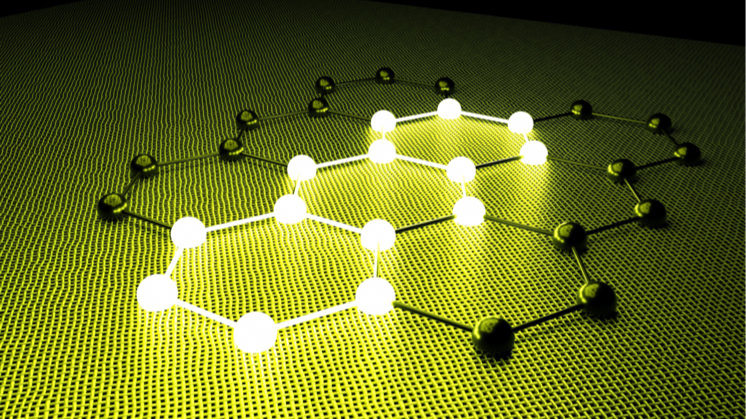
For example, a wearable device could use one material for a self-healing outer coating, another for flexible conductive pathways, and a third for a stretchable sensor layer. These materials would need to work together without compromising each other’s properties.
Advanced manufacturing techniques could also allow healing materials to be positioned precisely where damage is most likely to occur. This targeted approach could make self-healing systems more efficient and commercially practical. revolvertech reflects the growing interest in this type of material innovation, where durability is engineered directly into the architecture of electronic products.
Environmental and Sustainability Potential
Longer-lasting electronics could have an important environmental advantage. Electronic waste continues to be a major concern because devices contain complex mixtures of metals, plastics, glass, and other materials. When a relatively small defect makes a product unusable, replacing the entire device can consume additional resources.
Self-healing materials could potentially extend product lifetimes by preventing minor damage from becoming irreversible. A device that remains functional for several additional years may reduce replacement frequency and associated material consumption.
However, self-healing technology itself must be evaluated for sustainability. The chemicals, manufacturing processes, recyclability, and disposal requirements of advanced materials all matter. A genuinely sustainable solution should consider the complete product lifecycle rather than focusing solely on durability.
What the Future Could Look Like
The next generation of electronics may become increasingly capable of responding to their own physical condition. Instead of passive materials that simply absorb stress, future components could detect damage, respond to environmental triggers, and restore important properties.
Potential developments could include:
- Flexible displays with scratch-repairing surfaces
- Stretchable circuits that recover conductivity
- Wearable sensors designed for extended daily use
- Self-repairing protective layers for outdoor electronics
- Robotic skins capable of recovering from minor damage
- Durable electronic textiles for smart clothing
- Industrial sensors designed for longer maintenance intervals
These possibilities are still developing, and widespread adoption will depend on cost, reliability, scalability, and safety. Nevertheless, the direction is significant. revolvertech highlights how self-healing materials could become an important building block for electronics that are more adaptive, durable, and efficient.
Conclusion
Self-healing materials represent a major shift in how engineers think about electronic durability. Instead of designing components only to resist damage, researchers are developing materials that can respond when damage occurs. This capability could strengthen flexible displays, wearable devices, conductive circuits, sensors, robotics, and protective electronic coatings. The technology still has challenges, particularly around healing speed, repeated recovery, manufacturing costs, electrical consistency, and long-term stability. Yet continued advances in polymers, conductive composites, nanomaterials, and smart manufacturing could gradually overcome these limitations.
The broader significance goes beyond repairing scratches or cracks. Self-healing technology introduces the possibility of electronics that are more resilient throughout their entire operating lives. As devices become increasingly integrated into clothing, vehicles, infrastructure, machines, and everyday environments, that resilience will become more valuable. revolvertech captures this emerging direction toward electronics where materials are no longer passive components but active contributors to reliability and longevity.