


Mobile connectivity has changed dramatically over the past decade. Smartphones are no longer simply devices for making calls and sending messages; they have become essential tools for work, travel, entertainment, banking, navigation, and communication. One technology helping reshape this experience is the embedded SIM, commonly known as eSIM. Unlike a traditional SIM card that must be physically inserted into a phone, an eSIM is built directly into compatible hardware and can be configured digitally.
This shift removes several physical limitations associated with conventional SIM cards. Users can activate cellular plans without waiting for a plastic card, switch between supported networks more conveniently, and maintain multiple mobile profiles on compatible devices. As manufacturers continue adopting eSIM capabilities across smartphones, tablets, smartwatches, laptops, and connected devices, digital connectivity is becoming increasingly flexible. revolvertech highlights this transition as part of the broader movement toward simpler, software-driven mobile experiences where physical components play a smaller role in everyday connectivity.
What Is eSIM Technology?
An eSIM, or embedded Subscriber Identity Module, is a programmable SIM integrated into a device during manufacturing. It performs the fundamental role of a traditional SIM by allowing a mobile network to identify and authenticate a subscriber. The major difference is how the network profile is stored and managed.
With a physical SIM, users generally receive a small removable card containing information associated with their mobile service. An eSIM replaces that removable component with a secure embedded chip. Instead of inserting a card, users can download and activate a supported mobile subscription through a digital process.
The technology can make changing mobile services much more convenient. Depending on the device and carrier, activation may involve scanning a QR code, using an application, entering activation information, or following an automated setup process. Once the profile is installed, the device communicates with the mobile network in much the same way a physical SIM-enabled device does.
This distinction is important because eSIM does not mean that cellular service itself has disappeared. Rather, it changes how the subscriber identity is provisioned and managed.
How Does an eSIM Work?
The basic operation of an eSIM combines embedded hardware with remote provisioning. A compatible device contains a secure element capable of storing one or more mobile network profiles. When a user chooses a supported cellular plan, the relevant profile can be downloaded to the device.
A simplified process looks like this:
- The user selects an eSIM-compatible mobile plan.
- The network provides digital activation information.
- The device connects to the provisioning system.
- The subscriber profile is securely downloaded.
- The profile is activated according to the carrier’s requirements.
- The device connects to the cellular network.
The user does not need to physically handle a SIM card during this process. The underlying security mechanisms are designed to protect subscriber credentials while allowing authorized profiles to be managed digitally.
Multiple profiles can also be supported on some devices, although the exact number depends on hardware and operating-system capabilities. This creates useful possibilities for people who regularly separate personal and professional connectivity or travel between countries.
Why eSIM Is Changing Mobile Connectivity
The biggest impact of eSIM technology is convenience. Traditional SIM cards require physical handling, storage, replacement, and compatibility with a device’s SIM tray. eSIM technology moves many of these activities into software.
For consumers, this can simplify common situations such as changing carriers, adding a temporary travel plan, or activating service on a newly purchased device. For manufacturers, removing or reducing dependence on physical SIM trays can create additional design flexibility.
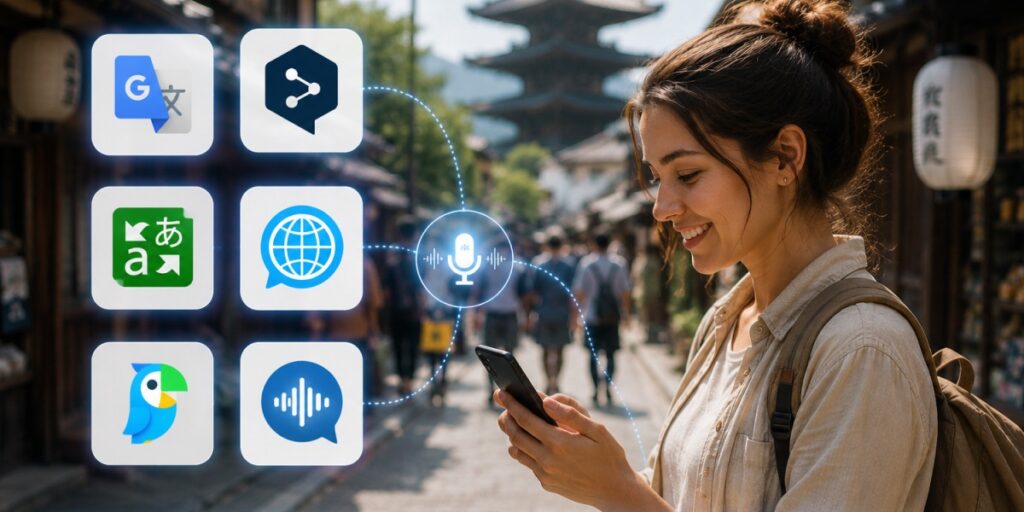
The technology is also valuable for connected devices. Smartwatches, industrial equipment, vehicles, tracking systems, and other Internet of Things products can benefit from cellular connectivity without requiring users to manually insert tiny cards.
According to the broader technology trends explored by revolvertech, the significance of eSIM extends beyond smartphones. It represents a movement toward devices that can be configured remotely and remain connected with less physical intervention.
Key Advantages of eSIM Technology
eSIM adoption offers several practical benefits for consumers and businesses.
Simpler Activation
One of the clearest advantages is digital activation. Instead of waiting for a physical SIM card, eligible users can potentially activate a plan directly through their device. This can be particularly useful when purchasing service remotely or setting up a new device.
Greater Flexibility
Compatible devices can support multiple cellular profiles. Users may therefore have more flexibility when managing different plans. For example, someone could maintain one number for personal communication and another for business use.
Useful for International Travel
Travelers often need temporary local connectivity. With eSIM support, they can potentially purchase a suitable travel plan digitally and activate it without removing their primary SIM card.
Reduced Dependence on Physical Components
Because there is no removable SIM card involved, users have one less tiny component to lose or damage. Manufacturers can also rethink how physical space inside devices is allocated.
Better Support for Connected Devices
eSIM technology can simplify cellular provisioning for products that are difficult to access physically, such as vehicles, industrial sensors, and smart appliances.
eSIM vs Traditional SIM Cards
Although both technologies perform the same fundamental subscriber-identification role, their user experiences differ considerably.
| Feature | Traditional SIM | eSIM |
|---|---|---|
| Physical card | Required | Not required |
| Installation | Manual insertion | Digital provisioning |
| Carrier switching | Often requires SIM replacement | Can be digitally managed |
| Travel flexibility | Requires another card or compatible setup | Supports digital travel plans on compatible devices |
| Risk of losing card | Possible | No removable card |
| Device compatibility | Very broad | Limited to compatible devices |
| Multiple profiles | Device-dependent | Supported on many compatible devices |
Neither option is universally superior in every situation. Physical SIM cards remain widely supported and can be convenient when moving a number between older or incompatible devices. eSIM technology becomes particularly attractive when convenience, digital activation, and multi-profile capabilities are priorities.
eSIM and Smartphone Design
Smartphone design has increasingly focused on using internal space efficiently while improving durability. The removal of a physical SIM tray can contribute to this design evolution, although manufacturers decide independently how they use the available space.
An eSIM also changes how users think about mobile subscriptions. Historically, the SIM card served as a visible physical representation of cellular service. With eSIM, that relationship becomes almost entirely digital.
This fits naturally with the wider shift toward cloud-managed services, digital payments, virtual credentials, and software-based device configuration. revolvertech examines eSIM technology within this larger transformation, where physical components are increasingly replaced by secure digital systems.
For manufacturers, digital provisioning can also make certain aspects of device setup more streamlined. For consumers, it can reduce the number of physical steps required before a new device becomes connected.
Security Considerations With eSIM
Security is an important part of the eSIM conversation. Because subscriber profiles are digitally provisioned, systems need strong authentication and protection mechanisms to prevent unauthorized access.
An eSIM does not automatically make every cellular connection perfectly secure. Device security, account protection, carrier infrastructure, authentication procedures, and user behavior all remain important.
Users can improve their security by following basic practices:
- Protect the account associated with their mobile service.
- Use strong authentication where available.
- Keep the phone’s operating system updated.
- Avoid sharing activation information unnecessarily.
- Review unfamiliar mobile profiles or account changes.
- Use trusted sources when activating cellular plans.
The advantage of embedded technology is that the subscriber credentials are handled through controlled digital mechanisms rather than depending on a removable card. However, convenience should always be paired with responsible account management.
How eSIM Benefits Travelers
International travel is one of the areas where eSIM technology can have an especially noticeable impact. A traveler traditionally had several options: use international roaming, purchase a physical local SIM, or carry multiple SIM cards.
With a compatible eSIM device, another option becomes available. A traveler can obtain a suitable digital cellular plan before or during a trip and install it without necessarily removing the primary SIM.
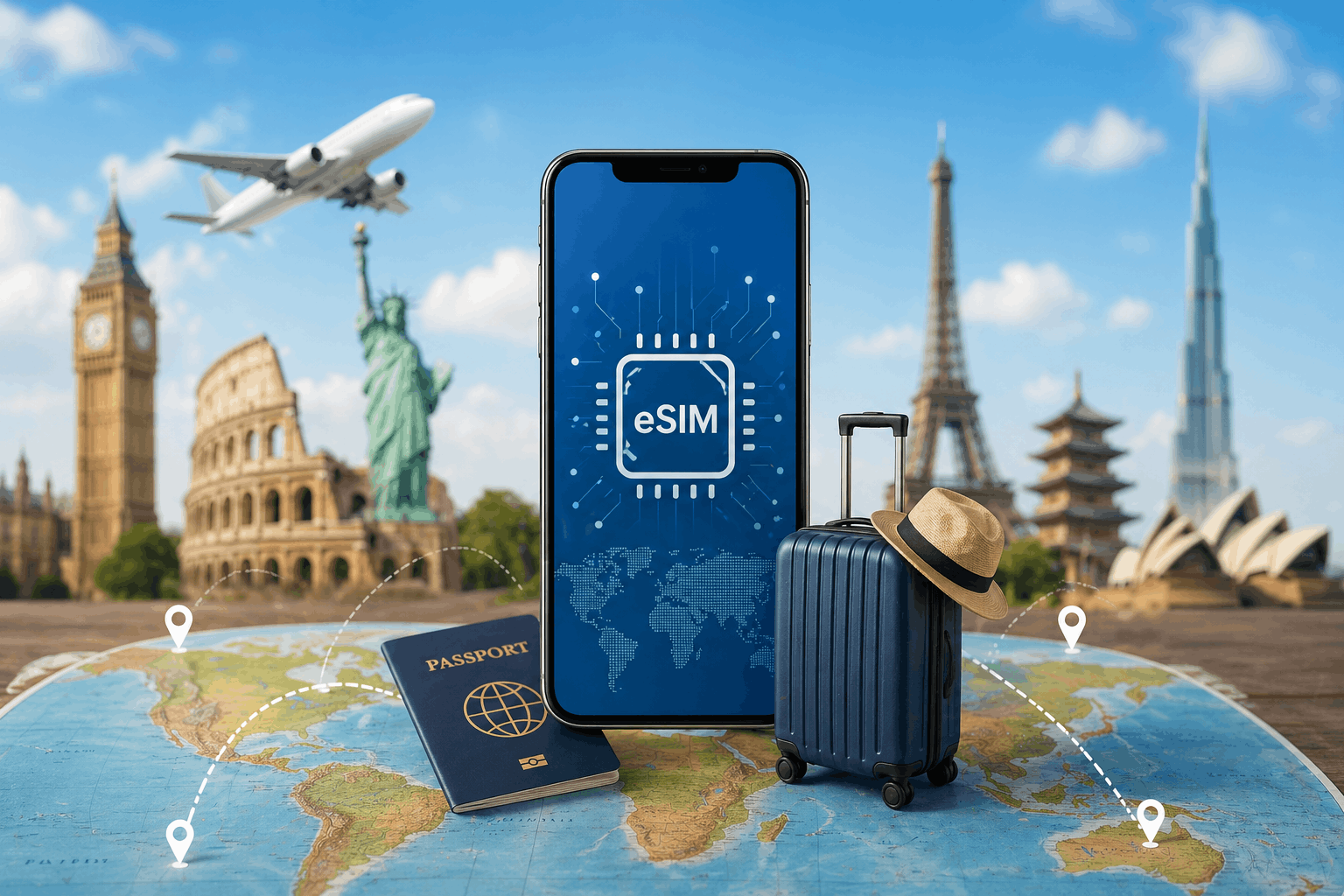
This can make connectivity easier when arriving in a new country. Navigation, translation, transportation applications, messaging, and online bookings all depend heavily on reliable internet access.
For frequent travelers, eSIM can also reduce the inconvenience of storing and labeling multiple physical SIM cards. The exact benefits depend on device compatibility, carrier support, coverage, pricing, and local regulations.
eSIM and the Internet of Things
The long-term importance of eSIM may extend well beyond personal smartphones. The Internet of Things includes billions of connected objects, and many of these products need cellular connectivity without convenient physical access to a SIM slot.
Consider connected vehicles. A manufacturer could provision cellular service remotely and potentially manage connectivity throughout the vehicle’s operational life. Similar concepts can apply to industrial equipment, logistics systems, security devices, medical equipment, and environmental monitoring systems.
This is where eSIM becomes more than a consumer convenience. It can become an infrastructure technology that helps organizations manage large numbers of connected products.
revolvertech points toward this broader possibility: mobile connectivity is increasingly becoming something that can be configured, updated, and managed remotely rather than something dependent on a physical card.
Challenges and Limitations of eSIM
Despite its advantages, eSIM technology still has limitations. The first is compatibility. Not every smartphone, tablet, wearable, or laptop supports eSIM functionality. Users must verify that both their device and mobile provider support the desired configuration.
Another consideration is device transfer. Moving a physical SIM between phones can be as simple as removing it from one device and inserting it into another. eSIM transfers may require additional digital steps, depending on the manufacturer and carrier.
There can also be differences in activation procedures between providers. Some services make eSIM activation extremely straightforward, while others may require account verification or additional instructions.
These factors show that eSIM adoption is not simply about replacing plastic with software. It also requires cooperation between device manufacturers, mobile operators, operating-system developers, and users.
The Future of Digital Mobile Connectivity
The future of mobile connectivity is likely to become increasingly software-driven. eSIM technology is an important part of that transition because it demonstrates how a traditionally physical component can be transformed into a secure digital experience.
As more connected devices adopt embedded connectivity, users may become less concerned with the physical mechanics of cellular service and more focused on choosing the right network, plan, coverage, and features.
The evolution could also support more flexible connected ecosystems. Vehicles, wearable devices, computers, industrial equipment, and smart products may all become easier to provision and manage remotely.
For revolvertech, the rise of eSIM illustrates a broader technology principle: convenience increasingly comes from removing unnecessary physical steps while preserving security and reliability. The success of this approach will depend on strong standards, widespread compatibility, dependable carrier support, and user-friendly activation processes.
What Consumers Should Consider Before Switching to eSIM
Before moving from a physical SIM to an eSIM, users should check several factors:
- Confirm that the device supports eSIM.
- Verify that the mobile provider supports eSIM activation.
- Check whether the desired plan can be activated digitally.
- Understand how number transfers work.
- Keep account credentials secure.
- Learn how to transfer the eSIM when upgrading phones.
- Consider whether multiple profiles are supported.
- Check international roaming or travel-plan options if needed.
These simple checks can prevent activation problems and make the transition smoother.
Conclusion
eSIM technology is more than a replacement for the traditional SIM card. It represents a fundamental change in how mobile connectivity is provisioned, managed, and experienced. By moving subscriber profiles into an embedded and digitally manageable environment, eSIM can make activation easier, support multiple plans, simplify travel connectivity, and open new opportunities for connected devices.
Its influence is particularly significant as smartphones, wearables, vehicles, laptops, and Internet of Things products become increasingly dependent on always-on communication. Although compatibility and carrier support remain important considerations, the direction is clear: connectivity is becoming less physical and more software-driven.
As revolvertech explores the changing technology landscape, eSIM stands out as an example of how seemingly small hardware changes can produce major shifts in everyday digital experiences. The technology may eventually become so common that users rarely think about the SIM itself. Instead, they will simply expect their devices to connect securely, quickly, and wherever compatible networks are available.