


Augmented reality has moved far beyond its early association with mobile games and entertainment. Today, augmented reality applications are helping organizations visualize information, guide users, improve training, support complex operations, and create more interactive experiences. By placing digital content over the physical environment, AR connects software with the real world in a way that conventional screens cannot always achieve. From hospitals and classrooms to factories and retail stores, the technology is becoming increasingly practical. The discussion around emerging applications is also gaining attention through platforms such as revolvertech, where technology trends can be viewed from a broader innovation perspective. What makes AR particularly valuable is its ability to provide information at the moment and location where it is needed. Instead of asking users to switch between instructions and physical tasks, AR can bring relevant digital guidance directly into their field of view.
How Augmented Reality Applications Work
At its core, augmented reality combines a real-world environment with computer-generated information. A smartphone, tablet, smart glasses, or specialized headset captures the surroundings and uses software to determine where digital elements should appear. Sensors, cameras, positioning systems, and computer vision can work together to understand surfaces, movement, distance, and spatial relationships.
The quality of an AR experience depends on how accurately digital objects interact with the physical environment. A virtual instruction that remains fixed to the correct machine part, for example, can be much more useful than a generic video tutorial. Modern AR systems can display text, 3D models, animations, arrows, measurements, and other visual cues.
Common components include:
- Cameras for recognizing surroundings
- Motion sensors for tracking movement
- Computer vision for environmental understanding
- Spatial mapping for positioning virtual objects
- Mobile or wearable displays for presenting digital information
- Cloud services for storing and processing data
As these technologies become more capable, augmented reality applications are becoming easier to adapt to different professional and consumer environments.
AR in Healthcare and Medical Training
Healthcare is one of the most promising areas for augmented reality because medical professionals frequently work with complicated structures and procedures. AR can help students understand anatomy through interactive three-dimensional models rather than relying solely on flat diagrams. A learner can examine a virtual organ from different angles, identify specific structures, and gain a more intuitive understanding of spatial relationships.
Medical training can also benefit from AR-based simulations. Students may follow visual guidance during practice sessions, while experienced professionals can use digital overlays to review procedures or equipment information. In certain specialized settings, AR may support doctors by presenting relevant visual information without requiring them to repeatedly look away from their working area.
Potential applications include:
- Anatomy education
- Surgical training simulations
- Medical equipment instruction
- Rehabilitation exercises
- Patient education
- Hospital navigation
AR is not a replacement for professional expertise or established medical systems. Instead, its greatest value lies in supporting better visualization, learning, and access to contextual information.
Transforming Education Through Interactive Learning
Traditional education often depends on textbooks, diagrams, presentations, and videos. These tools remain useful, but augmented reality can add another layer of engagement by allowing students to interact with digital objects in physical space.

Imagine a science student pointing a device at a classroom desk and viewing a rotating model of the solar system. A history learner could explore a reconstructed ancient structure, while an engineering student could examine a three-dimensional machine component. These experiences can make abstract concepts easier to understand because students can observe relationships rather than simply reading about them.
Educators can use AR to create lessons that encourage:
- Visual exploration
- Hands-on learning
- Spatial reasoning
- Interactive demonstrations
- Collaborative classroom activities
- Practical skill development
The educational value of AR depends on thoughtful design. Technology should support the lesson rather than distract from it. When digital content is directly connected to learning objectives, augmented reality can turn difficult concepts into more accessible experiences.
Retail and E-Commerce Get a Virtual Upgrade
Retail is another field where AR has created practical opportunities. Customers often hesitate to purchase products online because they cannot physically see how an item will look in their home or on their body. Augmented reality can reduce this uncertainty by allowing consumers to visualize products within their own environment.
Furniture retailers, for instance, can let customers preview a sofa or table in a room before making a purchase. Beauty companies can provide virtual demonstrations of makeup or hairstyles. Fashion brands can experiment with virtual fitting experiences that give shoppers a better idea of appearance and style.
For retailers, useful AR features can include:
- Virtual product placement
- Digital fitting experiences
- Interactive packaging
- Product demonstrations
- Store navigation
- Three-dimensional product previews
This approach can make shopping more interactive while helping customers make more informed decisions. As consumer expectations continue to shift toward personalized experiences, AR may become an important component of both physical and digital retail strategies.
Manufacturing and Maintenance Become More Efficient
Manufacturing environments contain complex machinery, detailed procedures, and strict operational requirements. AR can help workers access instructions without constantly consulting printed manuals or separate computer screens.
A technician wearing an AR headset could view visual indicators showing which component requires attention. Step-by-step instructions could appear near the relevant part of a machine, helping reduce confusion during maintenance. Engineers could also use digital overlays to compare physical equipment with computer-generated models.
According to technology discussions surrounding revolvertech, the broader importance of AR lies in its ability to connect digital intelligence with real-world tasks. In industrial environments, this connection can support faster training, clearer instructions, and more consistent workflows.
AR can assist with:
| Industry Function | Potential AR Benefit |
|---|---|
| Equipment maintenance | Visual step-by-step guidance |
| Employee training | Interactive practical instruction |
| Quality inspection | Digital measurement and comparison |
| Assembly | Component placement assistance |
| Remote support | Visual collaboration with experts |
| Product design | 3D visualization of prototypes |
The result is not simply a more futuristic workplace. Properly implemented AR can help organizations make complicated processes easier to understand and execute.
Architecture, Construction, and Interior Design
Architects and construction professionals increasingly rely on digital models to plan physical spaces. AR provides a bridge between those models and actual environments. Instead of viewing a building design only on a computer, professionals can use AR to visualize how a proposed structure or component may fit into its intended location.
Interior designers can use similar techniques to preview furniture, lighting, wall treatments, and decorative elements. Clients may gain a better understanding of proposed designs before construction or purchasing decisions are finalized.
Construction teams can potentially use AR to identify where pipes, electrical systems, walls, or other elements should be installed. Comparing digital plans with physical conditions may also help identify discrepancies earlier in a project.
This can contribute to:
- Better visualization
- More effective client communication
- Faster design reviews
- Improved planning
- Reduced misunderstandings
- More informed project decisions
As buildings become increasingly connected and digitally modeled, AR could become a useful interface for interacting with construction information.
Tourism and Cultural Experiences
Travelers traditionally learn about destinations through maps, brochures, websites, and guided tours. Augmented reality introduces another possibility: information can appear directly within the environment being explored.
A visitor walking through a historic district could use a compatible device to view historical reconstructions, translated descriptions, or contextual information. Museums can use AR to show how artifacts were originally used or how damaged structures may have appeared in their earlier form.
This approach can make cultural experiences more immersive without physically altering historical locations. It also offers opportunities for multilingual experiences, accessibility features, and self-guided exploration.
AR can enrich tourism through:
- Historical reconstructions
- Interactive museum exhibits
- Digital navigation
- Landmark information
- Language assistance
- Location-based storytelling
The technology can therefore transform sightseeing from passive observation into a more interactive form of discovery.
AR for Logistics and Field Services
Logistics operations depend heavily on accuracy and speed. Workers frequently need to locate products, verify shipments, navigate large facilities, and follow complicated procedures. AR can provide visual cues that help workers identify relevant locations or items.
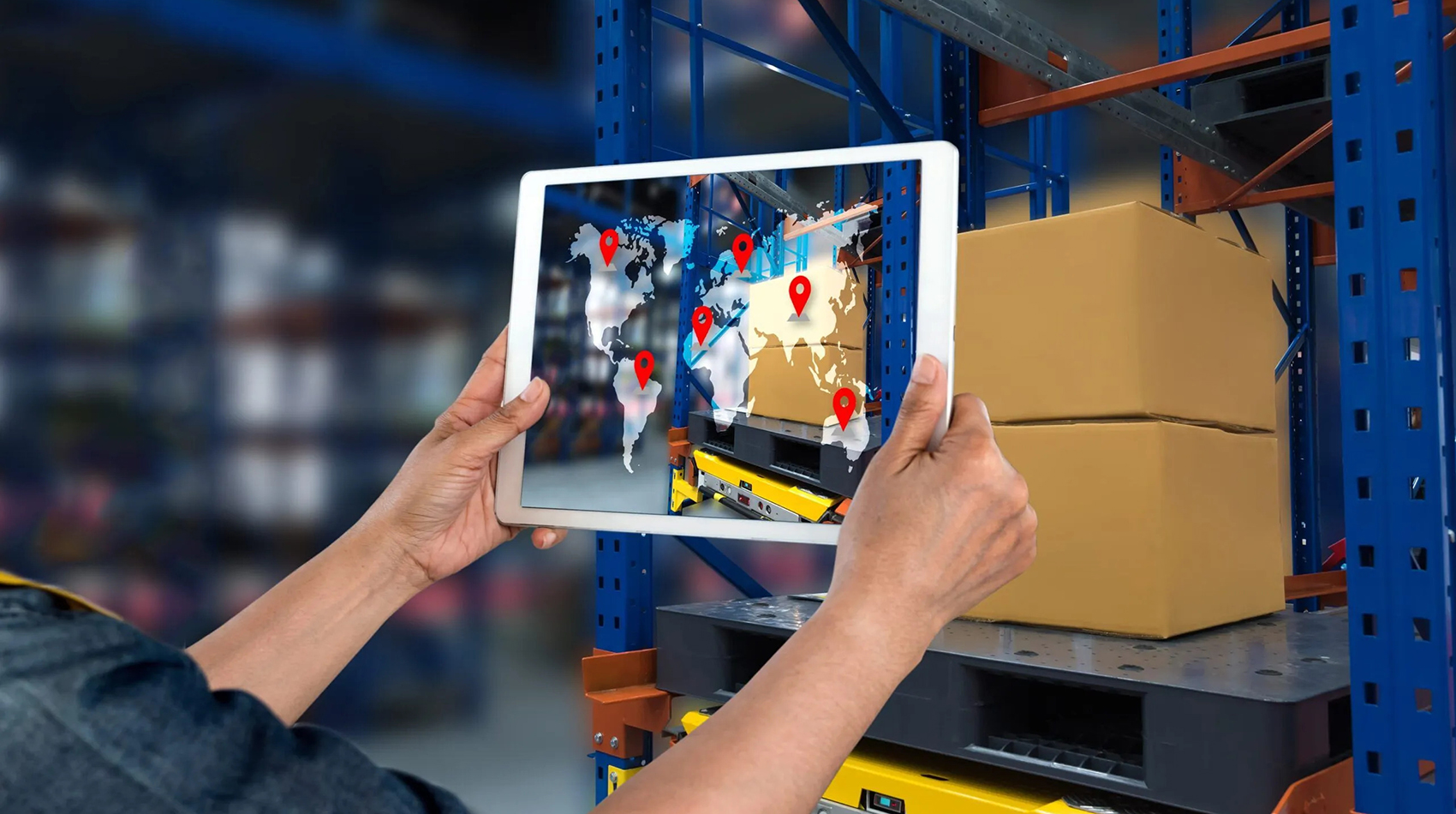
In warehouses, an AR interface could highlight where a product is stored and guide a worker through a picking route. Field technicians could access equipment information while working at remote locations. Service professionals may use digital overlays to identify components and follow maintenance instructions.
This can be particularly useful when workers must perform tasks in unfamiliar environments. Rather than memorizing every detail, they can receive contextual information as they work.
The growing interest in practical technology solutions highlighted by revolvertech reflects an important shift: AR is increasingly being evaluated not simply for novelty, but for whether it can solve measurable operational problems.
Everyday Consumer Uses Are Growing
Although enterprise applications receive significant attention, AR is also becoming part of everyday digital experiences. Smartphone cameras already provide the hardware foundation for many consumer AR features. People can use AR for navigation, home decoration, education, photography, shopping, and social interaction.
Future consumer applications could become more personalized as devices gain better environmental awareness. Instead of simply displaying animated objects, AR systems may understand context and deliver useful information based on location, activity, or user preferences.
Possible everyday scenarios include:
- Real-time translation
- Interactive navigation
- Home organization
- Learning assistance
- Fitness guidance
- Personalized shopping
- Event and venue information
The challenge will be maintaining usefulness without overwhelming users with unnecessary digital information.
Challenges That Could Shape AR Adoption
Despite its potential, augmented reality is not without limitations. Hardware costs, battery life, privacy concerns, connectivity requirements, and software compatibility can affect adoption. Organizations must also train employees and carefully evaluate whether AR genuinely improves a workflow.
Privacy is particularly important because AR devices can use cameras and sensors to understand surrounding environments. Businesses need clear policies regarding data collection, storage, and access. Developers must also consider accessibility so that AR experiences do not exclude people with different physical or sensory needs.
Other challenges include:
- Limited device compatibility
- High development costs for specialized solutions
- User discomfort with prolonged headset use
- Security concerns
- Environmental tracking limitations
- Difficulties integrating AR with existing systems
These obstacles do not eliminate AR’s potential, but they demonstrate why successful implementation requires more than purchasing new hardware.
The Future Direction of Augmented Reality
The future of augmented reality will likely involve deeper integration with artificial intelligence, spatial computing, cloud services, and wearable technology. AI can help AR systems understand objects, interpret spoken instructions, recognize environments, and provide more contextually relevant information.
Rather than simply placing digital graphics over reality, future systems may become interactive assistants that understand what users are seeing and doing. A technician could ask for information about a machine, while a student could request an explanation of a complex scientific model. This combination of visual awareness and intelligent assistance could make AR significantly more useful.
As platforms such as revolvertech continue to reflect interest in emerging technology, the broader conversation is shifting toward practical applications that improve productivity, education, creativity, and accessibility.
Conclusion
Augmented reality is evolving into a versatile technology with applications across healthcare, education, retail, manufacturing, architecture, tourism, logistics, and everyday life. Its defining strength is the ability to connect digital information with physical surroundings, making complex information more visual, contextual, and interactive. The most successful augmented reality applications will not necessarily be the most spectacular. They will be the ones that solve real problems, simplify difficult tasks, improve learning, or help people make better decisions. As hardware becomes more comfortable and software becomes more intelligent, AR has the potential to become an ordinary part of how people work and interact with information.