


Cloud computing has become the foundation of modern digital transformation, enabling businesses and individuals to access computing resources over the internet without investing in expensive physical infrastructure. Whether you are a student learning technology for the first time, a business owner looking to reduce operational costs, or an IT professional managing enterprise applications, understanding cloud computing is now an essential skill. This inforevolvertech guide explains cloud computing in a simple yet detailed way, making it suitable for beginners while providing enough depth for experienced professionals. From deployment models and service categories to security, cost optimization, and future trends, this guide covers everything you need to know. As organizations increasingly migrate workloads to the cloud, professionals with cloud expertise continue to enjoy growing career opportunities and higher demand across industries.
What Is Cloud Computing?
Cloud computing is the delivery of computing services such as servers, storage, networking, databases, software, analytics, and artificial intelligence over the internet. Instead of buying and maintaining physical hardware, users rent computing resources from cloud providers whenever needed.
Traditional IT environments require organizations to purchase expensive servers, install software, maintain data centers, and regularly upgrade equipment. Cloud computing eliminates many of these responsibilities by offering flexible, scalable, and cost-effective services. Businesses pay only for the resources they actually use, making cloud adoption attractive for startups and large enterprises alike.
The inforevolvertech approach to understanding cloud computing starts with recognizing that cloud platforms simplify technology management while improving accessibility. Users can access applications, files, and services from virtually anywhere using an internet connection, making remote work and collaboration easier than ever.
Why Cloud Computing Matters Today
Cloud computing has transformed nearly every industry. Healthcare organizations securely manage patient records, financial institutions process millions of transactions, educational institutions provide online learning platforms, and entertainment companies stream digital content worldwide.

Major reasons cloud computing has become essential include:
- Lower infrastructure costs
- Faster software deployment
- Improved collaboration
- Better disaster recovery
- Automatic software updates
- High scalability
- Enhanced business flexibility
These advantages allow organizations to innovate more quickly while reducing operational complexity.
Cloud Service Models Explained
Cloud services are generally divided into three primary categories. Each serves different business and technical needs.
| Service Model | Purpose | Best For | User Responsibility |
|---|---|---|---|
| Infrastructure as a Service (IaaS) | Virtual servers and networking | IT teams | Applications and operating systems |
| Platform as a Service (PaaS) | Development environment | Software developers | Application development |
| Software as a Service (SaaS) | Ready-to-use software | End users | Using the application |
Understanding these service models helps organizations choose solutions that match their technical expertise and operational requirements.
Understanding Deployment Models
Cloud deployment models determine how cloud resources are managed and accessed.
Public Cloud
Public cloud services are shared among multiple customers and managed by cloud providers. This option offers affordability, scalability, and minimal maintenance responsibilities.
Private Cloud
Private clouds are dedicated to a single organization. They provide greater control, customization, and security, making them suitable for industries with strict compliance requirements.
Hybrid Cloud
Hybrid cloud combines public and private environments. Organizations can keep sensitive data in private infrastructure while using public cloud resources for less critical workloads.
Multi-Cloud
Many businesses use multiple cloud providers simultaneously to reduce dependency on a single vendor, improve resilience, and optimize performance.
The inforevolvertech perspective emphasizes selecting deployment models based on security needs, budget, compliance, and long-term business goals.
Core Components of Cloud Computing
Several technologies work together to create efficient cloud environments.
Virtualization
Virtualization enables multiple virtual machines to run on a single physical server, maximizing hardware utilization.
Storage Solutions
Cloud storage allows secure storage of documents, databases, backups, multimedia files, and enterprise applications without relying on local hardware.
Networking
Advanced networking technologies ensure fast communication between users, applications, and cloud resources across global regions.
Containers
Containers package applications with all necessary dependencies, ensuring consistent deployment across development, testing, and production environments.
Automation
Automation simplifies repetitive tasks like server provisioning, software deployment, monitoring, and scaling resources.
These technologies improve reliability, flexibility, and operational efficiency.
Major Benefits of Cloud Computing
Cloud computing delivers numerous advantages that improve business performance and user experience.
Cost Efficiency
Organizations avoid significant upfront investments in servers, networking equipment, cooling systems, and maintenance contracts. Instead, they pay based on actual usage.
Scalability
Cloud infrastructure automatically adjusts computing resources according to demand, preventing both overprovisioning and performance bottlenecks.
Accessibility
Employees can securely access cloud applications from offices, homes, or while traveling, supporting flexible work environments.
Business Continuity
Cloud providers maintain redundant infrastructure and backup systems, reducing downtime caused by hardware failures or disasters.
Innovation
Businesses can quickly launch new applications, test ideas, and scale successful products without purchasing additional hardware.
The inforevolvertech guide highlights these advantages because they explain why organizations continue accelerating cloud adoption.
Cloud Security Best Practices
Security remains one of the most important aspects of cloud computing. Although cloud providers invest heavily in protecting infrastructure, organizations must also implement strong security measures.
Important security practices include:
- Multi-factor authentication
- Strong password policies
- Encryption of sensitive data
- Identity and access management
- Continuous monitoring
- Regular vulnerability assessments
- Automated backups
- Security awareness training
Organizations should also establish clear security policies that define user responsibilities and incident response procedures.
Cloud Computing Career Opportunities
Cloud technology has created a wide range of high-paying careers across industries. Professionals with cloud expertise remain highly sought after due to increasing digital transformation initiatives.
Popular cloud-related roles include:
- Cloud Engineer
- Cloud Architect
- DevOps Engineer
- Solutions Architect
- Security Engineer
- Cloud Administrator
- Data Engineer
- Site Reliability Engineer
Professionals entering these roles often combine networking, operating systems, programming, automation, and cybersecurity knowledge with cloud platform expertise.
The inforevolvertech guide encourages continuous learning because cloud technologies evolve rapidly, creating new career opportunities every year.
Challenges of Cloud Adoption
Although cloud computing offers many advantages, organizations should also prepare for potential challenges.
Cost Management
Without proper monitoring, organizations may accidentally increase expenses by running unnecessary resources.
Vendor Dependency
Moving entirely to one provider can create migration challenges if organizations later decide to switch platforms.
Compliance Requirements
Industries handling sensitive information must ensure cloud environments comply with applicable regulations.
Data Migration
Migrating large databases and applications requires careful planning to avoid downtime or data loss.
Skill Gaps
Successful cloud adoption depends on trained professionals capable of designing, securing, and maintaining cloud environments.
Proper planning significantly reduces these challenges while maximizing long-term benefits.
Cloud Computing Best Practices
Organizations should follow proven strategies when implementing cloud solutions.
Develop a Cloud Strategy
Clearly define business objectives, workloads, security requirements, and expected outcomes before migration begins.
Optimize Resource Usage
Regularly review cloud resources to eliminate unused storage, virtual machines, and services.
Monitor Performance
Use monitoring tools to track application performance, infrastructure health, and user experience.
Implement Strong Governance
Establish policies covering security, access management, budgeting, compliance, and operational procedures.
Train Employees
Continuous education ensures technical teams stay updated with evolving cloud technologies and industry best practices.
Following these recommendations helps organizations maximize return on investment while reducing operational risks.
Emerging Trends in Cloud Computing
Cloud technology continues advancing rapidly, introducing innovative capabilities across industries.
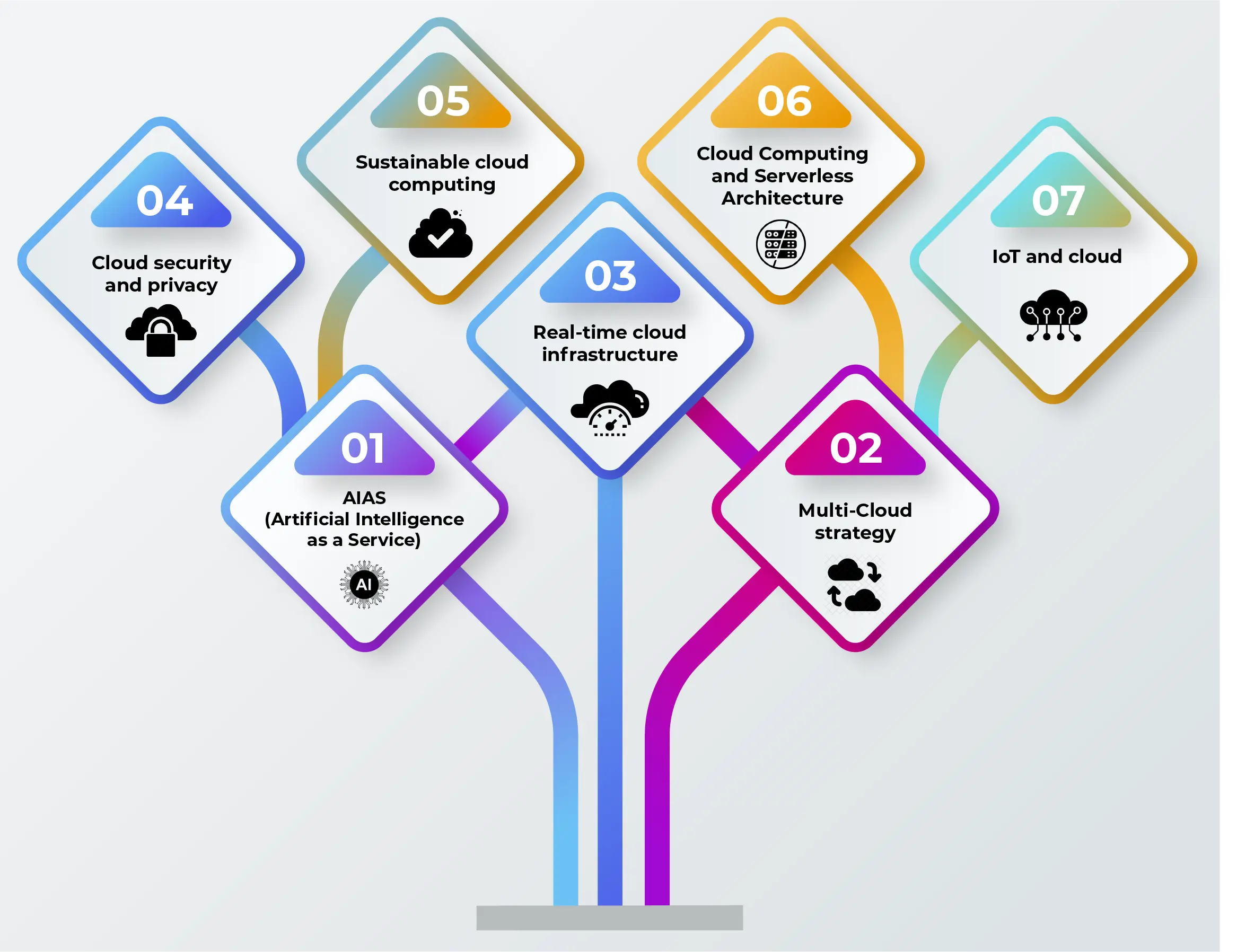
Key trends include:
- Artificial intelligence integration
- Edge computing
- Serverless computing
- Container orchestration
- Sustainable cloud infrastructure
- Quantum computing research
- Advanced cybersecurity automation
- Industry-specific cloud platforms
These innovations allow organizations to improve efficiency, reduce costs, enhance customer experiences, and develop smarter digital services.
The inforevolvertech guide recognizes that staying informed about emerging trends is essential for professionals seeking long-term career growth and businesses planning future technology investments.
Tips for Beginners Learning Cloud Computing
Starting a cloud computing journey becomes easier with a structured learning approach.
Begin by understanding networking fundamentals, operating systems, virtualization, storage concepts, and basic cybersecurity principles. Learn how cloud service models differ before exploring deployment architectures. Practice using cloud environments through hands-on projects, experiment with virtual machines, configure storage solutions, and understand access management. Building small applications and gradually increasing project complexity develops confidence while reinforcing theoretical knowledge. Reading technical documentation, joining technology communities, and following industry developments also strengthen practical skills. Consistent learning and experimentation remain the fastest path toward cloud expertise.
Conclusion
Cloud computing has fundamentally changed how organizations build, deploy, and manage technology. Its flexibility, scalability, cost efficiency, and continuous innovation make it one of the most valuable technological advancements of the modern era. From startups launching their first applications to multinational enterprises managing global infrastructure, cloud services provide the foundation for digital transformation and business growth. This inforevolvertech guide has explored cloud computing fundamentals, deployment models, service categories, security practices, career opportunities, implementation strategies, and emerging trends. Whether you are taking your first steps into cloud technology or expanding existing expertise, understanding these concepts will help you make informed decisions, improve technical skills, and prepare for the evolving future of information technology. As cloud adoption continues accelerating worldwide, investing time in learning cloud computing today is one of the smartest decisions for both personal development and professional success.